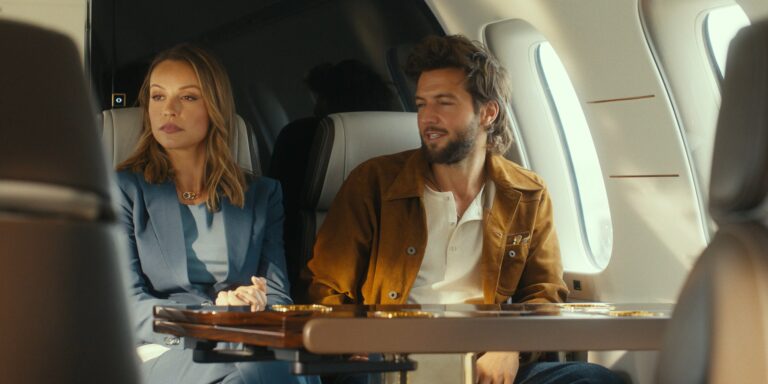

When Billy Bob Thornton’s Tommy Norris sits down at the Patch Cafe, viewers know they are about to see something important. Deals start, relationships fray, rumors spread. On Landman, coffee cups, burger baskets, and brisket plates are never just background dressing. They are part of the storytelling engine.
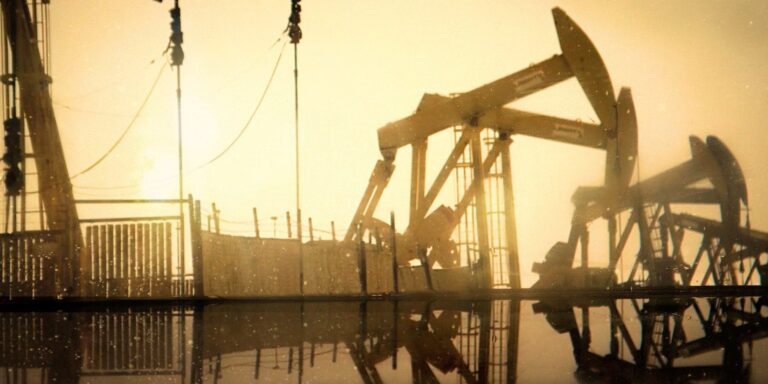
That choice did not come out of nowhere. The series is set in the oilfields of the Permian Basin, a place where barbecue pits, Tex‑Mex drive‑throughs, and small‑town diners function as much as institutions as they do restaurants. They shape how landmen meet, how roughnecks blow off steam, and how communities define themselves.
To understand why Landman leans so hard on food, you have to start with the very specific way West Texans eat in real life, and then look closely at how Taylor Sheridan and his team recreate, bend, and sometimes exaggerate those spaces on screen.
- West Texas barbecue: mesquite smoke and cowboy history
- KD’s Bar‑B‑Q and the real‑life Patch Cafe
- Barbecue as networking: the Permian Basin BBQ Cook‑off
- Tex‑Mex chains as oil‑patch infrastructure
- Diners, chicken‑fried steak, and small‑town identity
- Screen BBQ and coffee: how Landman builds its food universe
- When pitmasters walk on set
- What Happens Next: food as a character in Landman
West Texas barbecue: mesquite smoke and cowboy history
Talk to any old‑school pitmaster in West Texas, and you will hear the same word quickly: mesquite.
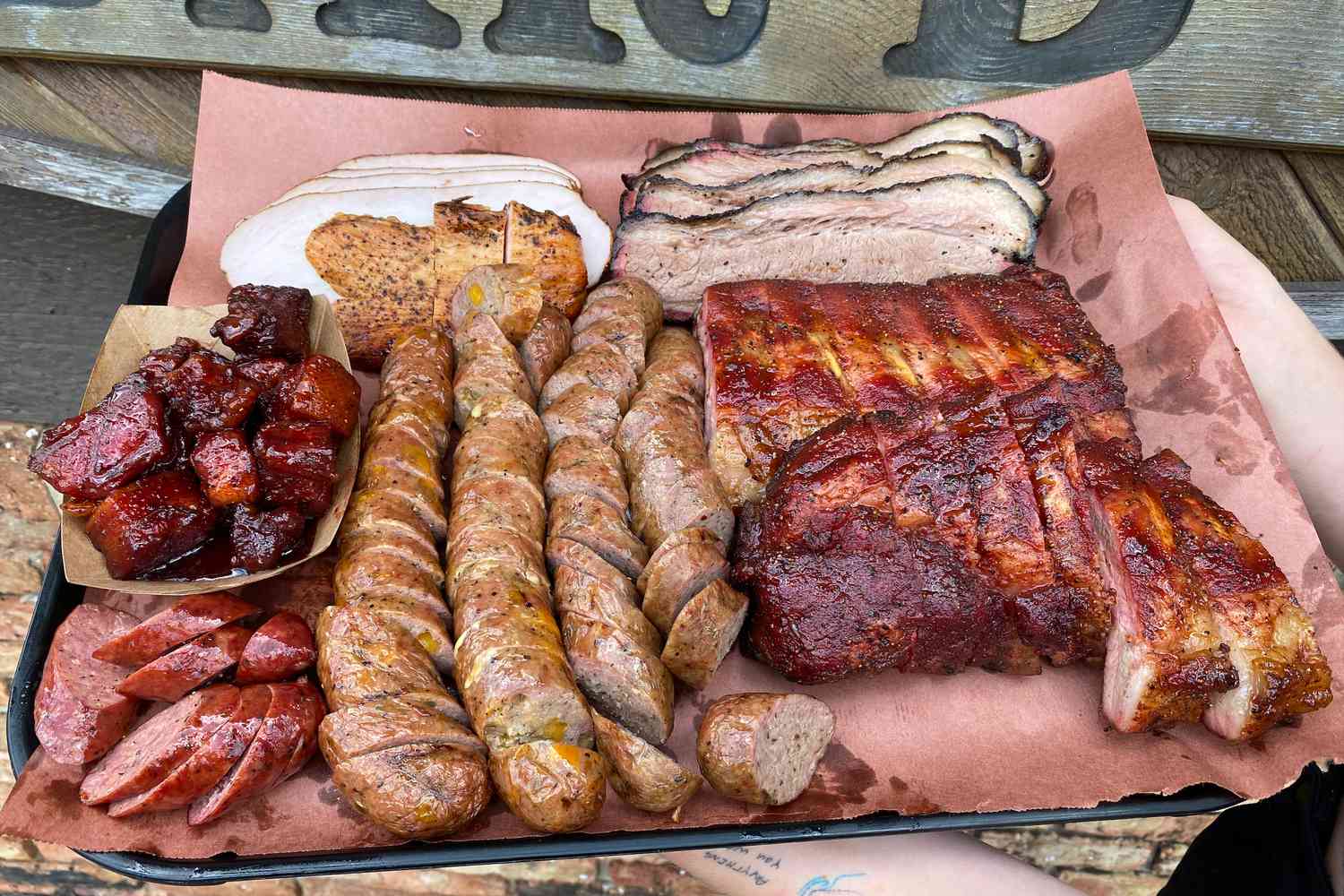
West Texas barbecue developed around direct heat over mesquite wood. Pitmen burn mesquite logs down to embers, then shovel the coals under the meat. A Washington Post travel piece describing “cowboy‑style” barbecue west of Llano noted pits where the coals sit in brick troughs roughly two feet beneath the meat, producing a distinctly smoky and sometimes slightly bitter flavor.
That method is not just about taste. It reflects the land itself. Mesquite trees once frustrated ranchers because their deep, water‑seeking roots crowd out grasses. Over time, locals turned that nuisance into fuel. A 79‑year‑old owner of “West Texas Style Bar‑B‑Que” in Silsbee told one reporter he smokes brisket only over mesquite, sometimes lit with a pine cone, because experiments with oak “didn’t come out the same.”
The “cowboy style” label is not poetic branding. It echoes how chuck‑wagon cooks and cowboys handled meat on cattle drives: closer to grilling than the low‑and‑slow indirect smoking you see in Central Texas. In a region defined by ranches and pumpjacks, that lineage carries social weight. Ordering a mesquite‑smoked brisket plate is, in a quiet way, a statement about where you come from.
That cultural shorthand is exactly the kind of signal Landman trades in.
KD’s Bar‑B‑Q and the real‑life Patch Cafe
On screen, the Patch Cafe is the social center of the series. Landmen argue over leases in its booths. Roughnecks crowd the counter. Ariana works the floor and hears everyone’s business.
Fans familiar with Midland almost immediately pointed to a real‑world stand‑in: KD’s Bar‑B‑Q on Garden City Highway.
KD’s has been a staple in Midland since 1997. The restaurant operates out of a bright red barn at 3109 Garden City Highway, its walls covered with vintage steel signs, license plates, posters, and cowboy memorabilia. There is a sports bar and patio attached, which often host gatherings and office parties. The place regularly appears in the Midland Reporter‑Telegram’s Readers’ Choice awards as one of the city’s favorite barbecue spots.
The nuts and bolts of how KD’s works mirror how a landman lunch actually unfolds. Customers grab a tray and step up to the pit, where they order meats by weight. A 2025 menu snapshot lists brisket, St. Louis‑style ribs, turkey, ham, German sausage, hot links, jalapeño‑cheese sausage, pork chops, and chopped beef, typically running about $10.50 per half‑pound at the “Meat Weighed At” counter.
After that, diners head to a complimentary bean bar stocked with beans, pickles, peppers, and four sauces. Sides range from potato salad and coleslaw to baked potatoes. The Midland Chamber of Commerce describes the overall feel as decidedly “hometown.”
The oil patch ties are not theoretical. KD’s offers weekday catering deliveries inside Midland for $30 and to Odessa for $45, from 10 a.m. to 2 p.m., squarely aimed at corporate lunches and field offices. Full‑service catering for 100 or more people runs $24.50 per person for two meats or $26.50 for three, including up to 0.70 pounds of meat per person plus beans, potato salad, coleslaw, bread, cobbler, iced tea, and all the pickle‑and‑onion fixings.
One Reddit user who says they spent more than 20 years working the Permian Basin, eventually reaching the C‑suite, called KD’s “a staple of Midland meetups for years” and “the closest real‑life equivalent to Landman’s Patch Cafe.”
That is a strong claim, but it underlines something important: when Landman stages a tense scene over a plate of ribs, viewers in Midland recognize the rhythm, even if the building on screen sits 300 miles away.
Barbecue as networking: the Permian Basin BBQ Cook‑off
Barbecue in the oil patch is not only a lunch option. It is a full‑scale networking platform.
Since 2017, Daniel Energy Partners has hosted the Permian Basin BBQ Cook‑off in Midland. By November 2025, when the eighth edition took place at Scharbauer Sports Complex, the event had become invitation‑only for energy professionals and investors. Organizers expected more than 100 cook teams, all drawn from the oil and gas sector. All passes were allocated; the event was effectively sold out.
The competition is sanctioned by the Kansas City Barbecue Society, which gives it a serious competitive framework. Yet the organizers built it as a fundraiser. Early editions supported the Permian Basin Petroleum Museum. The 2025 cook‑off aimed to donate about $150,000 to local groups including the West Texas Food Bank, Bynum School, High Sky Children’s Ranch, Fix West Texas, Permian Basin Road Safety, redM, Make‑A‑Wish West Texas, and Young Life.
One winning team illustrates how those threads tie together. In 2025, Western Midstream took the grand champion prize with a spread that included ribs, brisket, wild‑game meatballs, and jambalaya sausage. Instead of keeping the $25,000 prize, the company turned around and donated it to the West Texas Food Bank. CEO Libby Stephens told the Midland Reporter‑Telegram that the money could buy around 30,000 pounds of food, potentially translating into as many as 50,000 meals.
When Landman shows oil executives and landmen tending briskets outside trailers or holding court over smoky pits, it is not indulging in caricature. Events like this cook‑off show how tightly barbecue, philanthropy, and deal‑making have braided together in the real Permian Basin.
Tex‑Mex chains as oil‑patch infrastructure
Barbecue may anchor big gatherings, but Tex‑Mex quietly does a lot of daily work in a landman’s world.
Start with Rosa’s Café. The fast‑casual Tex‑Mex chain began in San Angelo in 1983 and was purchased by Bobby Cox Companies in 1995, when it had five locations. By the late 2000s, it had grown to 26 restaurants, employing more than 1,000 people. As of 2022, Rosa’s reported 51 locations across Texas, New Mexico, and California.
Several of those stores sit in Midland and Odessa. Local coverage routinely refers to Rosa’s as a favorite Tex‑Mex destination for the twin cities, highlighting its fresh tortillas, fajitas, enchiladas, burritos, and nachos. The chain’s long‑running “Tuesdays Were Made for Tacos” promotion is so well known that former residents sometimes call to request fajita shipments to their new homes, according to Rosa’s management.
Rosa’s is not alone. Taco Villa, founded in Odessa on June 6, 1968, now counts about 30 locations across Texas and New Mexico. It, Rosa’s, and Texas Burger form a “family of brands” under the Bobby Cox Companies umbrella. In Midland‑Odessa, they ring the cities with drive‑through windows and neon signs, offering quick tacos, burgers, and burritos to workers who may be driving 45 minutes between a courthouse, a leasing office, and a rig.
In interviews, Rosa’s executives have described Midland‑Odessa as “our home,” noting that many local police officers, dentists, and other professionals worked there as teenagers. Those early jobs then turn into lifelong customer relationships.
This is the quiet infrastructure behind a lot of oil‑patch life. A landman can grab a breakfast taco from Taco Villa at 6:30 a.m., check title records in a county seat, then regroup for a late fajita dinner at Rosa’s after an evening community meeting. Even if Landman does not show every Rosa’s or Taco Villa logo, the rhythm of drive‑through Tex‑Mex and late‑night enchiladas informs the way its characters move.
Diners, chicken‑fried steak, and small‑town identity
Beyond barbecue and Tex‑Mex, the West Texas oil belt leans heavily on classic diner food. Nowhere is that clearer than Lamesa, roughly an hour north of Midland.
Since 2011, Lamesa has hosted the Chicken Fried Steak Festival on the last weekend of April at Forrest Park. That same year, Governor Rick Perry declared Lamesa the home of chicken‑fried steak, leaning into a tongue‑in‑cheek legend that began with a spoof article and turned into civic branding. The Texas Legislature even adopted a resolution calling Lamesa the “Legendary Home of the Chicken‑fried Steak.”
One festival edition expected about 18,000 attendees, 50 food booths, and 55 exhibitors. Events have included a chicken‑fried steak dinner, cook‑offs, a 5K run, car shows, pet contests, live music, and rodeo activities. Visitors have traveled from as far as Florida and El Paso.
For landmen who spend hours on two‑lane highways, these towns and their cafes serve as both refueling stops and informal offices. Deals get sketched on napkins next to plates of gravy‑covered steak. Gossip about a new drilling program might surface at the counter before it ever appears in a spreadsheet.
When Landman puts characters into cramped diners with laminated menus, it is tapping into that established pattern. Chicken‑fried steak is not unique to the oilfield, but in this region it has become part of how communities sell themselves to the outside world and see themselves on the inside.
Screen BBQ and coffee: how Landman builds its food universe
Here is where the fork hits the screen. Landman is set in West Texas, but it is largely filmed in and around Fort Worth. That creates an interesting gap between the “screen BBQ” viewers see and the actual restaurants that inspire it.
The Patch Cafe, the show’s central diner, is filmed at 9840 Camp Bowie West Boulevard in Fort Worth. Before production arrived, the building was an empty shell. Sheridan’s team transformed it into a fully dressed working diner specifically for the series. From the outside, it reads like a weathered oil‑patch cafe. Inside, it becomes a narrative crossroads, especially for Ariana’s scenes.
Across the street in real life sits JD’s Hamburgers, a Fort Worth joint serving fried green tomatoes, burger baskets, banana pudding, and fruit cobbler. Once Landman started shooting, JD’s found itself an accidental pilgrimage site. Fans visiting the Patch Cafe exterior often stop at JD’s to eat and take photos. The restaurant leaned into the moment, even adding a “Jon Hammburger” to the menu: a burger topped with fried bologna, cheese, and a house “sister sauce,” nodding to cast member Jon Hamm.
Another on‑screen fixture, the Babes N’Brew drive‑through coffee stand frequented by oilfield workers, was also built as a set near Camp Bowie West Boulevard. The concept appears closely modeled on real bikini‑barista outfits in Permian Basin cities. In Odessa, for example, Boomtown Babes Espresso launched in 2013 as a lingerie‑themed coffee chain and now runs three locations. A Texas Monthly fact‑check on the series pointed out that West Texas is “no stranger to the ‘breastaurant’,” citing Hooters‑style venues and coffee stands that openly market “great coffee with an even better view.”
In other words, Landman may stage these businesses in Fort Worth, but it borrows heavily from actual Permian Basin trends.
The show’s drinking culture follows a similar pattern. At a November 2024 screening at the American Association of Professional Landmen headquarters in Fort Worth, about 60 real landmen watched an early episode. A food truck outside served free pizza, while an open bar poured whiskey, wine, and beer. Observers noted that the crowd’s preference for Michelob Ultra neatly matched Tommy Norris’s go‑to beer on the show.
That feedback loop between real landmen and their televised counterparts extends into the restaurants where the cast actually eats.
When pitmasters walk on set
Sheridan’s food universe does not stop at props. It reaches into the production’s off‑camera life and even onto the screen.
Hurtado Barbecue, founded in 2018 by Brandon and Hannah Hurtado, has quickly become one of North Texas’s most talked‑about barbecue outfits, with locations in Arlington, Dallas, Fort Worth, and Mansfield. Texas Monthly named it to its Top 50 BBQ Joints in 2021. Southern Living ranked it the 46th‑best barbecue restaurant in the South.
Hurtado’s ties to Sheridan are now direct. Brandon Hurtado runs the kitchen at Sheridan’s Bosque Ranch headquarters and is reportedly the top beef buyer from Sheridan’s historic 6666 Ranch. In October 2025, Hurtado opened a new permanent food truck at Oak Highlands Brewery in Richardson. Around the same time, reporting revealed that Brandon and three of his employees will make a cameo in Landman Season 2.
That cameo means viewers are literally seeing the same pitmasters who feed Sheridan’s cowboys and production crews step into the fictional oil‑patch world. It blurs the line between “Texas BBQ” and “Screen BBQ” in a very concrete way.
Beyond Hurtado, cast and crew anchored themselves in Fort Worth restaurants throughout filming. A November 2025 dining round‑up listed B&B Butchers, Gustos, Hatsuyuki Handroll Bar, Joe T. Garcia’s, Paloma Suerte, Press Cafe, 61 Osteria, and Hurtado Barbecue among the team’s regular haunts. Billy Bob Thornton has said Fort Worth is the American city where he feels most at home, and he has talked about wanting to shoot all his projects there. Co‑stars mentioned planning holiday dinners at places like 97 West Kitchen & Bar in the Hotel Drover, further tying the show’s social orbit to local kitchens.
Sheridan himself has widened that footprint. In 2025 he and partners purchased Cattlemen’s Steak House in the Fort Worth Stockyards, a restaurant that first opened in 1947. Planned renovations include a revamped menu, expanded dining and event spaces, an outdoor patio with a stone fire pit, a large sports screen, and a private Cattleman’s Club with memberships starting around $3,000 per year. That investment joins Bosque Ranch and the 6666 Ranch as part of a portfolio worth a reported $600 million in Texas land and cattle operations.
All of which means that when Landman lingers on a sizzling ribeye or a stack of ribs, those images sit inside a much larger ecosystem of real beef, real restaurants, and real smoke.
What Happens Next: food as a character in Landman
As Landman moves beyond its second season, the show’s food world looks less like set dressing and more like a recurring character.
New barbecue players continue to arrive in the real Permian. Rudy’s Country Store and Bar‑B‑Q, a chain that traces its roots to Leon Springs in the late 1800s, opened a Midland location in September 2025 at 4711 Loop 250 Frontage Road. The restaurant sells meats by the half‑pound, breakfast tacos, and desserts like banana pudding, pecan pie, and peach cobbler. At its grand opening, the first 100 customers each received $20 in “Bar‑B‑Q Bucks,” a precise reminder that brisket and branding travel together.
At the same time, long‑time institutions like KD’s, Rosa’s, Taco Villa, and dozens of anonymous diners will keep doing what they have always done: feeding landmen, roughnecks, courthouse clerks, and schoolteachers, often at the same tables.
For the creative team behind Landman, that gives an unusually rich set of tools. A mesquite pit can signal cowboy heritage. A Tex‑Mex combo plate can say “after‑hours negotiation.” A chicken‑fried steak special in a fading town can carry a whole story about boom‑and‑bust cycles.
As viewers, paying attention to what the characters eat, where they eat it, and who is sitting nearby reveals as much about the Permian Basin as any skyline shot or rig montage. The next time Tommy Norris walks into the Patch Cafe, it is worth looking past the dialogue and watching the plates. In West Texas, and on Landman, barbecue and diner food are not just meals. They are map legends for the world the show is drawing.